![shared-office-_-usa-_-office-spaces.jpg]()
Remote work has transformed how professionals build careers and manage multiple sources of income. Many people are balancing full-time jobs with side hustles, freelance jobs, side projects, and passion projects that have the potential to become long-term businesses. Recent reports have also highlighted the growing number of professionals quietly managing multiple roles and income streams, placing greater demands on their time, energy, and work environments.
As workloads increase, many remote workers are discovering that dining tables, kitchen counters, and improvised home offices no longer provide the support required for sustained performance. Physical discomfort, distractions, and the lack of clear boundaries between work and personal life can gradually reduce both productivity and overall well-being.
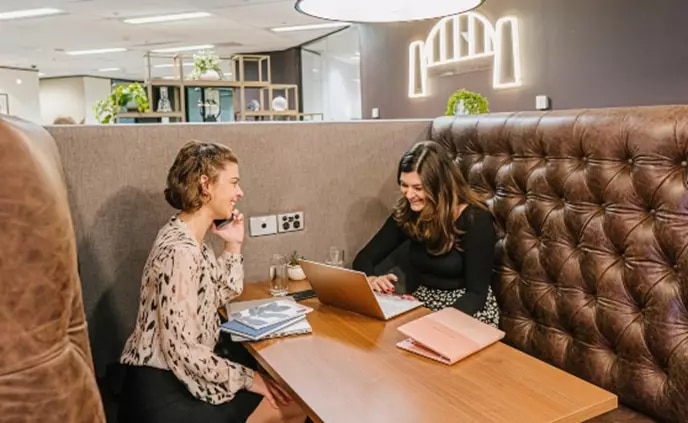
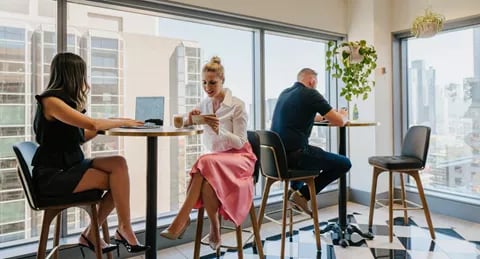
Professionals looking for greater flexibility are increasingly exploring Hot Desk & Dedicated Desk Plans that provide access to environments designed for focused work. Shared workspaces combine professional infrastructure with flexibility, allowing remote workers, entrepreneurs, and freelancers to create more effective routines while maintaining control over their schedules.
Understanding the ergonomic and productivity advantages of professional workspaces has become increasingly important as remote work continues to evolve across the United States.
Why Home Offices Are Reaching Their Limits
Home offices played an important role in supporting the rapid shift toward remote work. For many professionals, they provided flexibility and convenience during a period of major workplace change. Over time, however, limitations have become more noticeable, particularly for people managing side hustles, freelance jobs, and multiple projects simultaneously.
A typical home environment was rarely designed for prolonged professional use. Dining chairs, kitchen tables, and makeshift desks may work temporarily, but they often lack the ergonomic support required for long hours of focused work. Physical discomfort can gradually affect concentration, energy levels, and overall productivity.
Distractions also present ongoing challenges. Household responsibilities, family activities, deliveries, and constant interruptions can make it difficult to maintain momentum during demanding tasks.
Common challenges include:
- Limited ergonomic support
- Frequent interruptions
- Reduced separation between work and personal life
- Difficulty maintaining structured routines
As remote work evolves, many professionals are seeking environments that provide both flexibility and professional support.
The Ergonomic Benefits of Professional Shared Workspaces
Ergonomics has become an increasingly important consideration for professionals who spend long hours working on client projects, side hustles, and remote responsibilities. A well-designed workspace supports physical comfort, which helps maintain concentration and consistent performance throughout the day.
Professional shared workspaces are designed with productivity and well-being in mind. Adjustable seating, spacious desks, proper lighting, and thoughtfully arranged layouts create an environment that helps reduce physical strain and fatigue.
|
Workspace Feature
|
Professional Benefit
|
|
Ergonomic chairs
|
Improved posture and comfort
|
|
Dedicated desks
|
Greater consistency and organization
|
|
Proper lighting
|
Reduced eye strain
|
|
Spacious layouts
|
Increased focus and productivity
|
|
Professional meeting areas
|
Enhanced collaboration
|
Physical comfort influences how effectively professionals work over time. Small improvements in workspace quality can have a meaningful impact on concentration, energy levels, and overall efficiency.
For side project creators, consultants, and remote workers managing multiple income streams, investing in an environment that supports long-term health and productivity can help create more sustainable work habits.
How Workspace Design Improves Productivity
Productivity is influenced by more than time management techniques and digital tools. The physical environment plays an important role in how effectively people focus, organize tasks, and maintain consistent performance.
Professional shared workspaces are intentionally designed to support concentration and efficiency. Layouts are structured to minimize distractions while providing access to the resources needed for both individual work and collaboration.
Several elements contribute to stronger productivity:
- Dedicated work areas that encourage focus
- Professional settings that support client interactions
- Reduced distractions compared with many home environments
- Access to shared amenities and workspace resources
A clear distinction between personal and professional spaces also helps individuals establish healthier routines. This separation can improve work-life balance and reduce mental fatigue.
For freelancers, consultants, and entrepreneurs managing passion projects, a productive environment creates the conditions necessary to deliver consistent results and maintain momentum over the long term.
Why Side Hustles and Freelance Jobs Benefit from Coworking
The rise of side hustles and freelance jobs has changed how many professionals approach work. Increasing numbers of remote workers are managing consulting projects, creative businesses, online ventures, and additional income streams alongside traditional employment.
Coworking spaces offer the flexibility needed by individuals balancing multiple commitments, and professionals increasingly use shared workspaces across the United States to support side hustles, freelance jobs, and growing businesses. Rather than committing to long-term office leases, professionals can access workspaces that provide structure, reliability, and professional amenities.
Benefits include:
- Professional working environment
- Flexible membership options
- Access to business facilities
- Opportunities to collaborate with other professionals
Many entrepreneurs discover that the environment itself contributes to stronger discipline and better time management. A dedicated workspace helps create routines that encourage consistency and accountability.
For professionals managing multiple income streams, productivity often depends on maintaining focus while avoiding burnout.
Building Sustainable Remote Work Habits Outside the Home
Long-term success in remote work depends on more than flexibility. Professionals managing multiple responsibilities need routines that support consistency, productivity, and personal well-being.
Several practices contribute to healthier remote work habits:
- Maintaining consistent working hours
- Using dedicated spaces for focused tasks
- Taking regular breaks throughout the day
- Separating work activities from home life
- Creating routines that support long-term productivity
Many professionals discover that sustainable routines are easier to maintain when they work outside the home. Access to professional environments helps reinforce healthy boundaries and reduces the distractions that often disrupt concentration.
As remote work continues to evolve, professionals are placing greater emphasis on building routines that support both performance and well-being.
Why Professionals Are Returning to Shared Workspaces in 2026
Workplace preferences continue to evolve as remote workers reassess what they need to perform at their best. Flexibility remains important, but professionals are increasingly prioritizing environments that support concentration, comfort, and long-term productivity.
Several factors are influencing this trend:
- Greater emphasis on health and ergonomics
- Increased demand for work-life separation
- The need for reliable business infrastructure
- Opportunities to collaborate and network with others
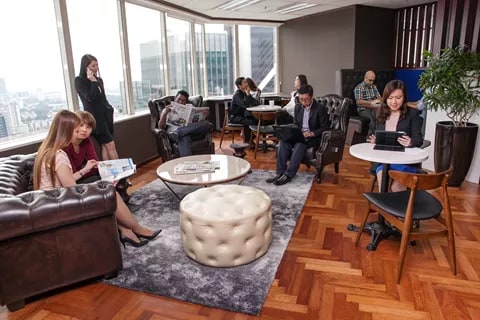
Professionals are also seeking environments that help them maintain sustainable routines while reducing distractions, particularly in premium business districts such as One World Trade Center in New York. Shared workspaces provide flexibility without sacrificing structure.
As work patterns continue to change, many freelancers, entrepreneurs, and remote workers view professional shared workspaces as an investment in both performance and long-term well-being.
Frequently Asked Questions